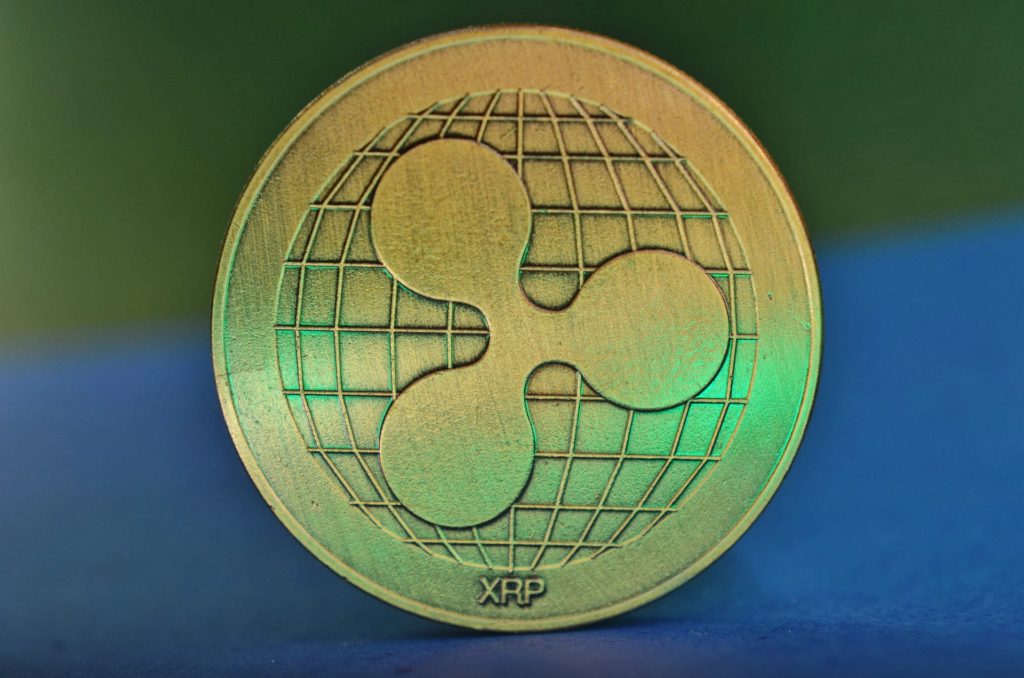
XRP is a native digital asset created in 2012 by Ripple Labs and is designed for global payments. XRP is a faster, less expensive, and greener alternative to Bitcoin
The market has taken a bearish turn and Bitcoin and altcoins will need strong relief rallies in order to restore their uptrends. Legacy and crypto crypto markets saw a strong correction today as traders fear that the second round of economic stimulus might be delayed as the White House, Senate and Congress could become entangled
Ripple’s founding vision is to enable the world to move value like information does today—a concept we refer to as the Internet of Value (IoV). This vision remains essential to Ripple’s foundation and contributes to its driving motivation to create greater economic opportunity for all. Creating economic fairness and opportunity for the unbanked and vulnerable
Today, the blockchain and digital currency industry is at an inflection point, similar to that of the internet boom of the 1990’s. Not unlike the internet’s historic impact, these technologies have the capacity to engender greater financial inclusion and economic opportunity. Will global policy makers provide thoughtful regulation that both fosters innovation and protects consumers?
In our last discussion we showed how the fragmented landscape of cross-border payments is being redefined by the power of ISO standardization, and the fresh technology approach of RippleNet. Today, cross-border payments are on the cusp of transformation. Blockchain technology and digital assets like XRP can create a more frictionless cross-border payment experience. At Ripple,
If the COVID-19 pandemic has taught us one thing about payments, it’s that speed, reliability and on-demand access to money is critically important in a world powered by digital interaction. Our world may be forever changed, but with that change comes the potential to optimize better ways of doing day-to-day life tasks—payments included. Given the
The latest episode of Block Stars is the conclusion of current Ripple CTO David Schwartz’s two-part conversation with former Ripple CTO, Stefan Thomas. Stefan is now the founder and CEO of Coil, a Web Monetization service that streams payments to publishers and creators based on the amount of time Coil members around the world spend
The blockchain industry is making significant strides in terms of innovation and technological advancements. Much of this progress can be attributed to academia helping to drive the industry forward by turning its attention toward new curriculum, research and technical problem solving, knowledge sharing and convening. By partnering with universities globally, Ripple’s University Blockchain Research Initiative
Distributed ledger technology (DLT) will have an incredible impact on financial services and engender greater financial inclusion and, therefore, economic growth, especially in emerging economies. That’s the opinion of Adrienne Harris, whose interest in the world of blockchain and digital assets began during her time as a Senior Advisor in the U.S. Department of the
The economic shutdown carries with it some surprising—and welcome—reverberations beyond just the stock market. Case in point: the resulting environmental impact. The world is bearing witness to massive reductions across nearly every energy sector imaginable. At the height of the pandemic-induced economic shutdown, countries under full lockdown experienced an average 25% decline in energy demand